
Precision Metal Components for Cardiovascular Devices
Cardiovascular devices operate in one of the most demanding environments in medicine. Components go inside the heart or are implanted in close proximity to it and are expected to perform without failure for years to decades. The materials have to be biocompatible, the dimensions have to be exact, and the manufacturing process has to be fully documented and traceable.
Brunk has manufactured precision-stamped components for cardiovascular device OEMs for decades. The combination of precision stamping, in-house laser welding, and an ISO 13485 certified quality system gives us the capability to produce the kind of components this market requires.
Pacemaker Components, Antennas, & Shield Cans
Brunk produces precision-stamped and laser-welded components for cardiac rhythm management devices, including pacemaker housings, antenna components, and shield cans. Our in-house laser welding capability is a meaningful part of what makes this work possible. We can join thin-gauge, biocompatible materials to tight dimensional specs without the heat distortion that other joining processes introduce.
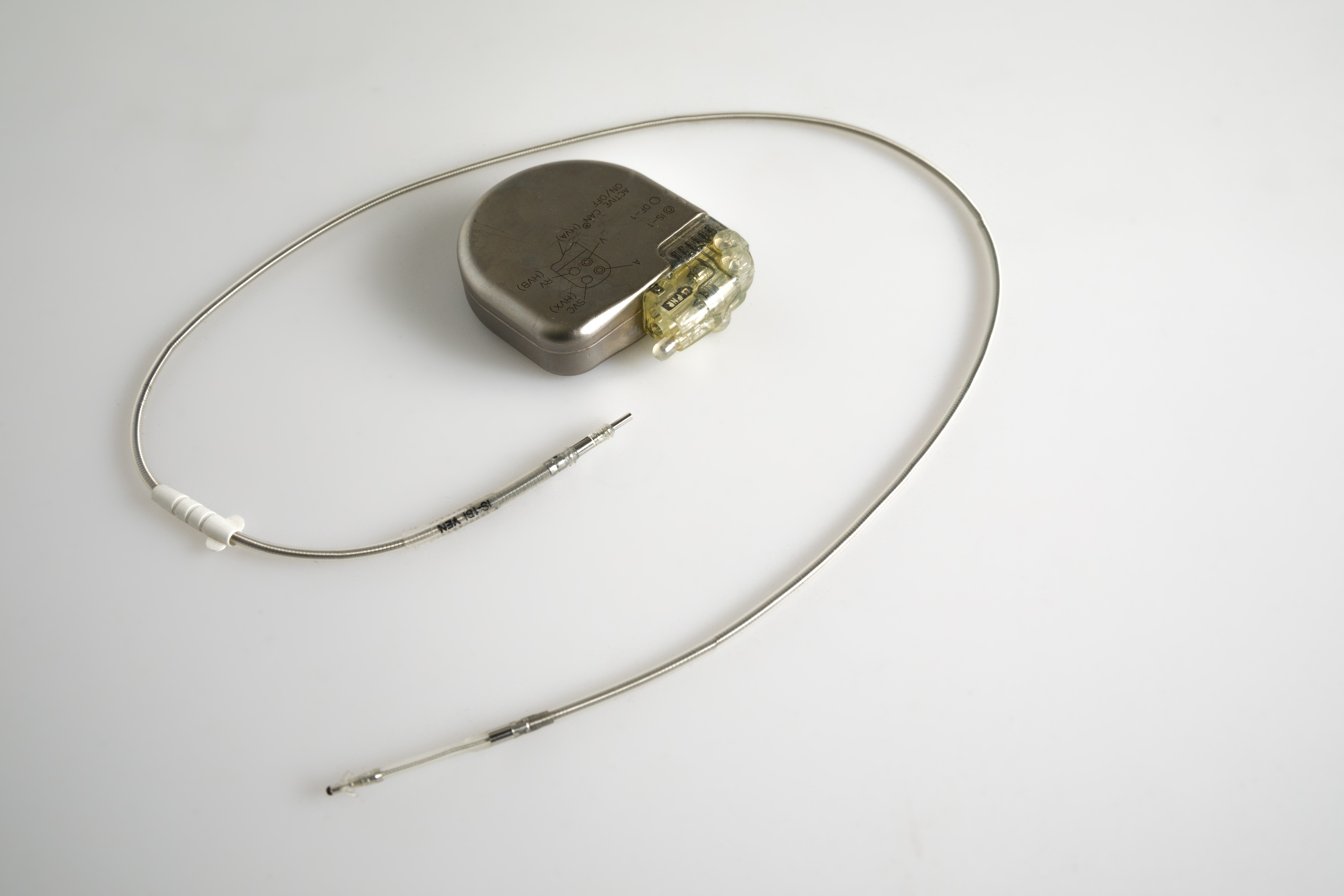
Cardiac Rhythm Management
Pacemaker housings, defibrillator components, and laser-welded hermetic assemblies. Full traceability. Class III requirements met.
Structural Heart & Mitral Valve Repair Devices
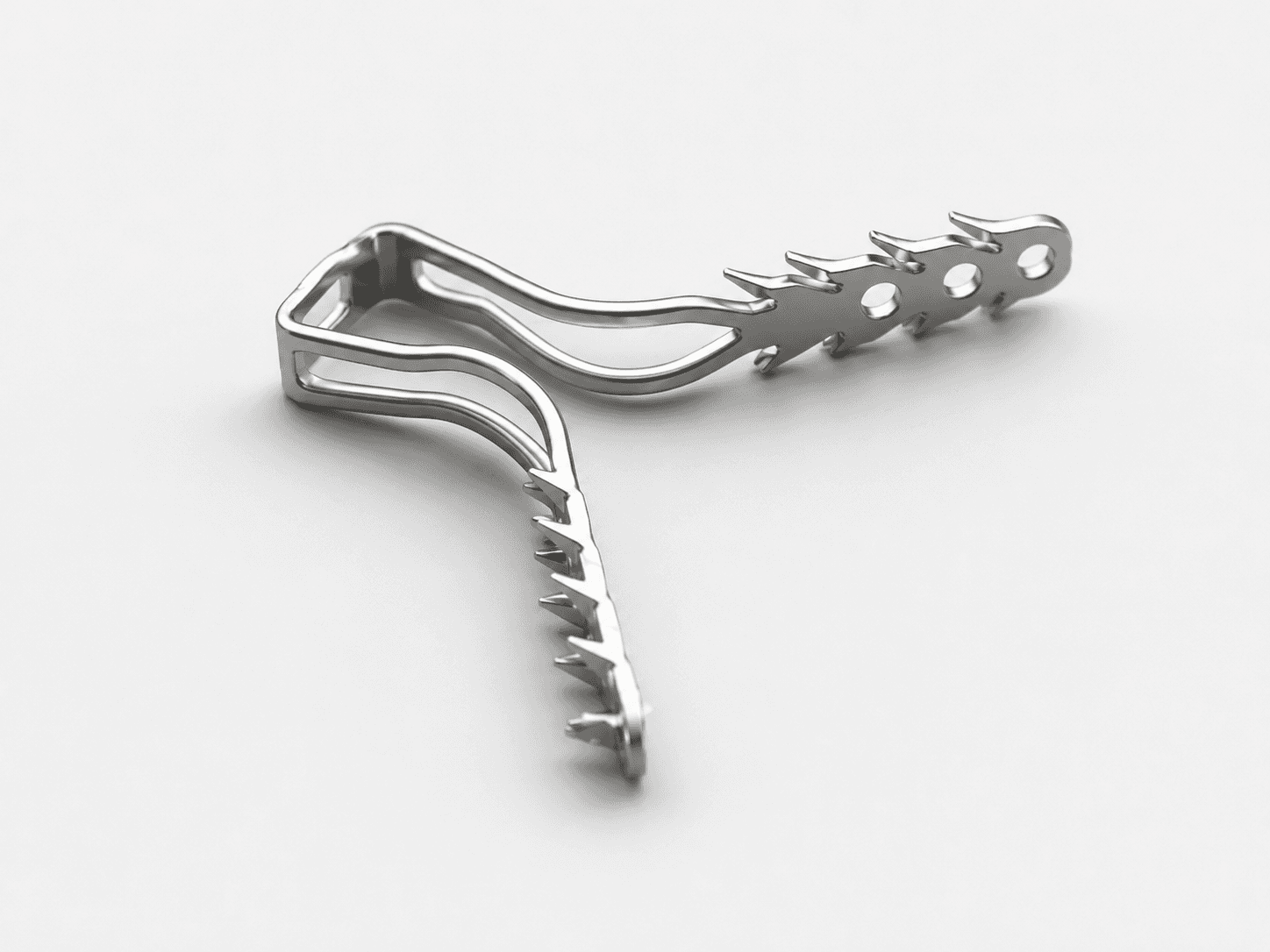
Precision stamped components for minimally invasive, catheter-based structural heart repair devices, including clip-based mitral valve repair systems. Our capabilities span both nitinol and stainless steel components,

IV & Catheter Components
Catheter fittings, needle hubs, and metal components for IV delivery systems. Precision and consistency at the scale these programs require.

Vascular & Structural Heart
Stent components, heart valve parts, and vascular hardware. Precision light gauge components.

Materials
Titanium, stainless steel, MP35N, red metals, tantalum, niobium, kovar, cobalt chromium alloys, nitinol, and other biocompatible alloys suited to implantable and catheter-delivered cardiovascular applications.
Shorten your product development launch
Minimally invasive programs benefit from having the manufacturer in the room during design. The geometry of a stamped part is a function of the tooling, and the tooling decisions made early determine what’s manufacturable at volume. Design, prototype, and production all under one roof. When the path from concept to first article runs through one team, the translation loss goes to zero.