

Rapid Prototyping
Understanding Rapid Prototyping and Manufacturing
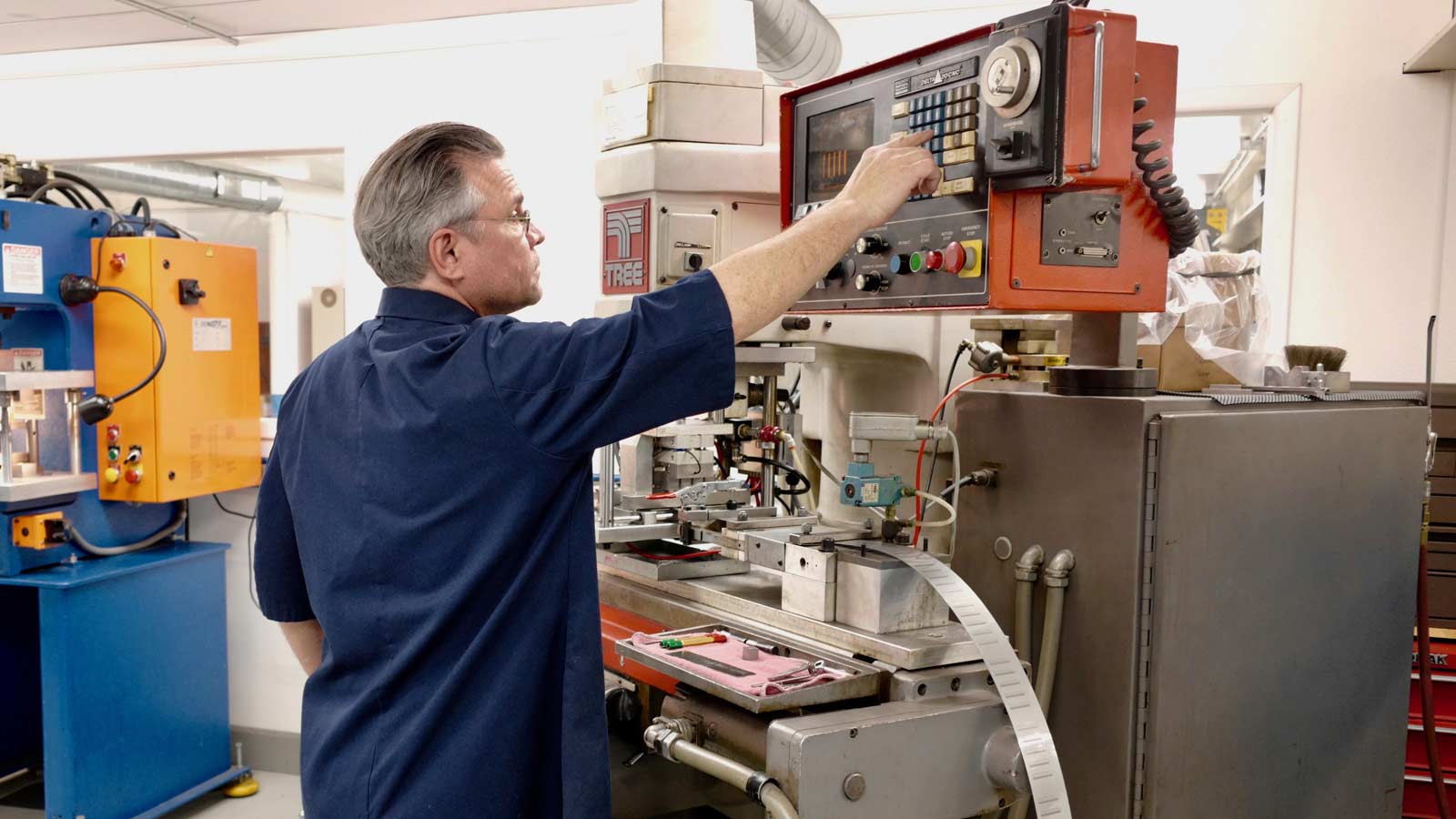
Industry Applications of Rapid Prototyping and Manufacturing
Rapid prototyping is a powerful tool utilized across numerous industries to streamline product development. Sectors such as automotive, aerospace, healthcare, consumer electronics, and manufacturing leverage rapid prototyping to expedite innovation and reduce time-to-market. Companies like Brunk stand at the forefront, offering unparalleled prototyping services.
In product design and manufacturing, rapid prototyping plays a vital role in translating concepts into physical models. It enables testing for functionality, ergonomics, and aesthetics, allowing designers to refine ideas based on real-world feedback. This iterative process enhances product quality and minimizes costly revisions during later production stages.
Real-world applications highlight the versatility and impact of rapid prototyping. For example, automotive companies like Ford use rapid prototyping to develop and test new vehicle designs, significantly shortening design cycles. In healthcare, medical device manufacturers employ 3D printing and prototyping to create custom implants and prosthetics tailored to individual patients. These examples underscore rapid prototyping’s power in driving innovation and efficiency, providing businesses with a competitive edge in today’s fast-paced market.
Diverse Techniques in Rapid Prototyping
Rapid prototyping encompasses a variety of techniques, each suited for different applications. Two prominent methods are 3D printing and CNC machining prototyping. 3D printing, or additive manufacturing, constructs objects layer by layer from digital models, enabling intricate designs and rapid iterations. It excels in producing complex geometries and is cost-effective for small-scale production, though it may have limitations in material strength and surface finish.
CNC machining, a subtractive manufacturing process, removes material from a solid block using computer-controlled tools. This technique offers high precision and superior material properties, making it ideal for functional prototypes requiring durability. However, initial setup costs can be higher, and production may take longer compared to 3D printing and prototyping.
Choosing the right rapid prototyping technique depends on your project’s specific requirements. If fast prototyping turnaround and intricate designs are priorities, 3D printing is advantageous, particularly in early development stages when flexibility and cost-effectiveness are critical. Conversely, if your prototype needs to withstand stress or serve as a functional component, CNC machining rapid prototyping may be more suitable. Understanding each technique’s advantages and limitations facilitates informed decision-making, optimizing the prototyping process to seamlessly transition concepts into reality.
Benefits of Rapid Prototyping and Manufacturing
Rapid prototyping is revolutionizing product development by offering numerous advantages that streamline the entire process. A primary benefit is the speed and efficiency it offers. Traditional product development timelines can span months or years, whereas rapid prototyping enables teams to create functional models in a fraction of that time. This accelerated timeline not only brings products to market faster but also allows companies to adapt swiftly to shifting customer needs and market demands.
Another significant advantage is cost-effectiveness. By leveraging advanced technologies like 3D printing and computer-aided design, businesses can reduce material waste and minimize the need for extensive tooling. This lowers overall production costs, making it feasible to test multiple iterations without exceeding budget constraints. Consequently, organizations can allocate resources more efficiently, focusing on innovation rather than merely adhering to budget limits.
Enhanced collaboration and communication among teams is another benefit of rapid prototyping. The ability to quickly create tangible models fosters more effective discussions and brainstorming sessions among designers, engineers, and stakeholders. This collaborative environment encourages creativity and ensures alignment on project vision. As a result, potential issues can be identified and resolved early in the development process, further streamlining the path to a successful final product.
Challenges of Rapid Prototyping and Manufacturing
While rapid prototyping offers numerous benefits, it is important to acknowledge its challenges. One significant limitation is the range of material choices available. Many rapid prototyping methods primarily use plastics or resin-based materials, which may not accurately represent the physical characteristics of the final product. This limitation can present challenges when assessing a prototype’s performance and functionality, particularly in industries requiring specific material properties, such as aerospace or medical devices.
Accuracy and durability are also crucial considerations. Depending on the chosen method, prototypes may not achieve the precision required for critical applications. For instance, 3D printing can result in layer lines or surface imperfections that compromise fidelity to the intended design. Additionally, prototypes are often not designed for long-term use, lacking the durability needed for extensive testing or real-world applications, which can lead to setbacks in product development.
Scalability poses another challenge for companies considering rapid prototyping as a pathway to mass production. While rapid prototyping excels at creating initial models, transitioning from a prototype to full-scale production can be complex and costly. The techniques and materials used in prototyping may not be suitable for large-scale production, necessitating further adjustments to both design and manufacturing processes. This discrepancy can increase lead times and expenses, impacting the overall efficiency of bringing a product to market.
The Future of Rapid Prototyping and Manufacturing
The future of rapid prototyping is poised for transformative change, driven by emerging technologies and innovations that promise to redefine manufacturing and design processes. One notable advancement is the integration of artificial intelligence (AI) and machine learning, which can streamline design iterations and optimize production workflows. By leveraging AI, engineers can predict potential design flaws early in the prototyping phase, significantly reducing time and costs associated with traditional methods.
Moreover, the advent of advanced materials, such as bio-based polymers and metal composites, is expected to enhance prototype functionality and durability. These materials not only offer greater design flexibility but also support sustainable manufacturing practices, aligning with global efforts to reduce environmental impact.
As we look ahead, predicted trends in rapid prototyping include a growing emphasis on digital twin technology, which creates virtual replicas of physical objects. This innovation enables companies to simulate and analyze product performance under various conditions before moving to production, further shortening the development cycle. Additionally, the demand for customization is set to grow, prompting manufacturers to adopt more agile prototyping techniques that cater to specific client needs without the lengthy lead times of traditional methods.
The impact on manufacturing and design processes will be profound. Rapid prototyping will not only expedite product development but also foster collaboration among cross-functional teams, allowing for real-time feedback and adjustments. This collaborative approach will enhance innovation and creativity, ultimately leading to more effective and market-responsive products. As we continue to embrace these advancements, companies like Brunk are at the forefront, ready to leverage the potential of rapid prototyping to deliver exceptional results through their comprehensive prototyping services.
Contact our sales team to discuss your next project.